


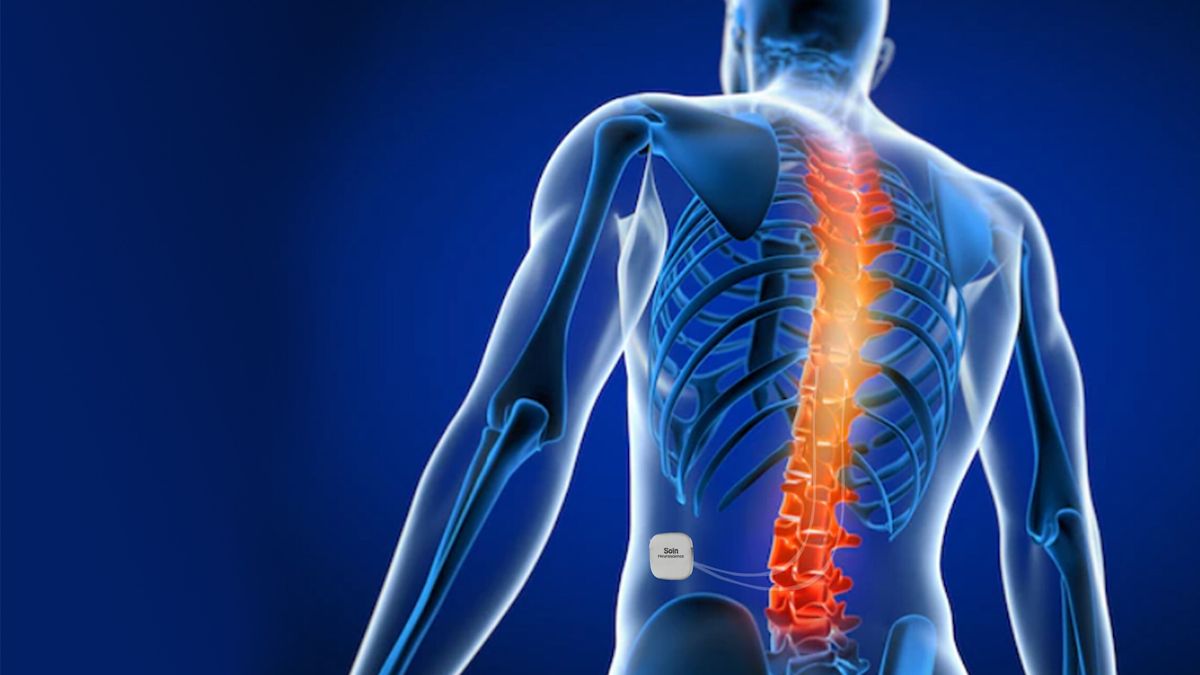
Lilac Biosciences, a biotechnology company spun out of the Giuliani RNA Center at Brown University, which develops quantitative RNA-based analytical tools, announced a research collaboration with Soin Neuroscience, a developer of neuromodulation technologies for chronic pain.
The collaboration will investigate whether changes in RNA expression can serve as biological correlates of pain states and neuromodulation response. The study addresses a critical gap in pain research, where most evaluations rely on subjective self-reporting rather than molecular measurements.
Work will be conducted with Amol Soin, founder of Soin Neuroscience and specialist in interventional pain management and spinal cord stimulation.
Advances in neuromodulation have improved device performance, but biological markers of pain and treatment response remain poorly defined. Lilac and Soin Neuroscience will test if quantitative RNA readouts—focused on transcripts linked to inflammation and neural signalling—can provide reproducible biological signatures of therapeutic response.
The initial phase will use preclinical neuromodulation models to assess RNA profiles under defined spinal cord stimulation parameters, waveforms, and time courses. Lilac will perform RNA profiling and data validation using its quantitative RNA workflows.
“Pain is experienced subjectively but driven by molecular events,” Soin said.
“Defining reproducible RNA changes linked to neuromodulation could advance how we evaluate pain, guide next-generation neuromodulation design, and use objective endpoints that should provide independent validation of spinal cord stimulation efficacy while limiting bias or subjective endpoint manipulation in future human studies.”
The partnership may extend to additional pain research programmes, including studies of pharmacologic interventions. A joint scientific review on RNA mechanisms in pain biology is planned for later this year.
The work supports Lilac’s strategy to apply RNA analytics to translational studies, advancing molecular characterization of pain and neuromodulation biology.