


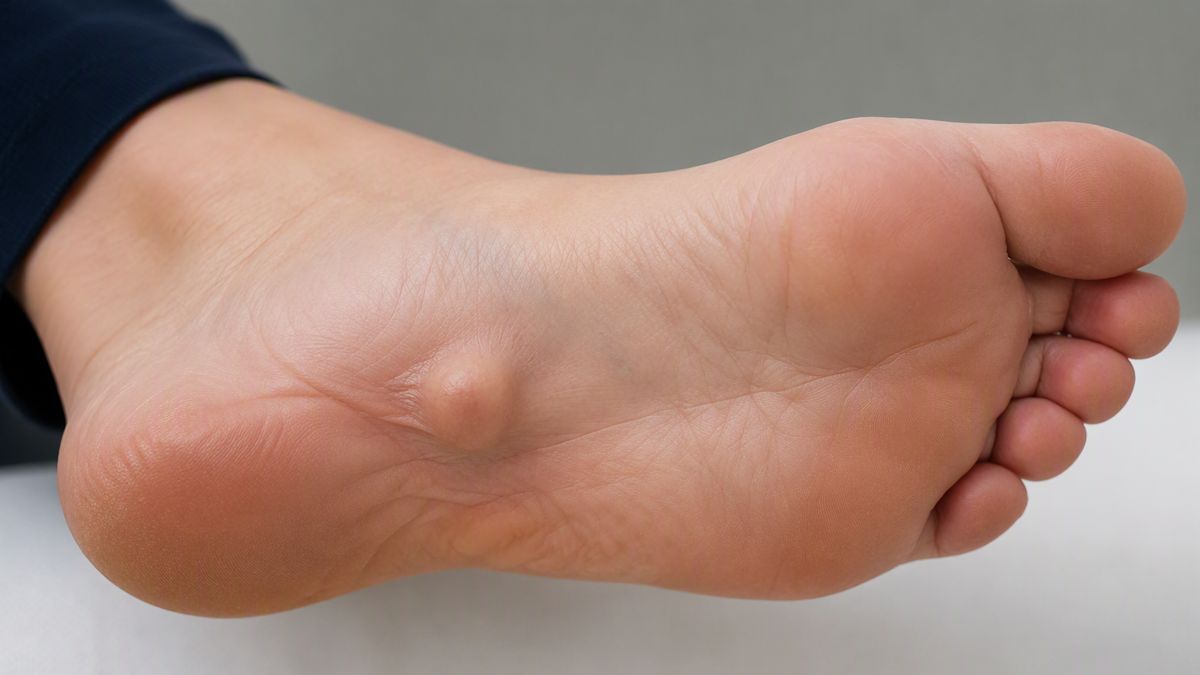
Keenova Therapeutics plc has announced positive results from its phase 3 clinical trial of XIAFLEX (collagenase clostridium histolyticum) for the treatment of plantar fibromatosis, a chronic medical condition that causes nodules composed primarily of excess collagen to form in the connective tissue that supports the arch of the foot.
The pivotal trial met the primary endpoint, demonstrating a statistically significant and clinically meaningful improvement in pain versus placebo, as measured by the average daily pain intensity on the numeric rating scale (NRS).
It also met key ranked secondary endpoints related to difficulty and activity limitation as measured by the foot function index (FFI) scale.
The treatment benefit observed on the primary pain endpoint and key functional secondary endpoints was further supported by statistically significant improvements in additional secondary measures, including the FFI pain subscale, global assessments of improvement and disease severity, treatment satisfaction, and nodule characteristics.
The safety profile of XIAFLEX in this study was consistent with the known safety profile of XIAFLEX from approved indications. Most adverse events were rated by the investigators as mild to moderate and there were no treatment-related serious adverse events.
“We are excited to share the positive outcome for our phase 3 clinical trial of plantar fibromatosis, a disease for which limited treatment options exist beyond symptom relief measures or surgery,” said Marek Honczarenko, executive vice president and chief scientific officer at Keenova.
“With these encouraging results, we intend to submit our application for this indication to the FDA in the fourth quarter of 2026 as part of an effort to expand our XIAFLEX portfolio and help address unmet patient needs.”
Based on claims data and projections, the company believes about 300,000 people will see a healthcare provider for their plantar fibromatosis in 2028, when Keenova expects to launch XIAFLEX for the indication.
XIAFLEX is currently approved by the U.S. Food & Drug Administration for urological and orthopaedic conditions.
EN3835-309 was a double-blind, placebo-controlled phase 3 trial to assess the overall reduction in the intensity of foot pain of XIAFLEX in the treatment of plantar fibromatosis.
The pivotal trial enrolled 436 participants with plantar fibromatosis and at least one measurable, hard or firm, palpable fibrous nodule on clinical examination. Participants were randomly assigned to one of two treatment groups, with one group receiving XIAFLEX and the other receiving placebo. Each group received up to two treatments, with each treatment separated by a minimum of 28 days.
Participants captured pain intensity on the numeric rating scale (NRS) each day, and during several pre-determined follow-up visits, they completed additional questionnaires—including Subject Satisfaction With Treatment, Foot Function Index (FFI), Patient Global Impression of Severity (PGIS), and Patient Global Impression of Change (PGIC)—to report measures related to disability and activity limitation.