


JJP Biologics has announced positive interim data from its ongoing phase 1b trial evaluating nebaprubart, also known as JJP-1212, its investigational potential first-in-class anti-CD89 antagonist, in patients diagnosed with linear IgA disease (LAD), a rare autoantibody-mediated skin disease.
The interim results demonstrate encouraging safety and tolerability alongside early evidence of rapid and sustained clinical benefit, including the potential to reduce or eliminate reliance on chronically-administered immunosuppressive therapy.
Interim data demonstrated favourable safety and tolerability profile observed to date, consistent with phase I outcomes in healthy volunteers, as well as clinical activity with therapeutic effects observed within one week of dosing. They also showed preliminary evidence of therapeutic activity, characterised by reductions in blister formation and pruritus, together with progressive healing of ulcerative lesions. Continued tapering of dapsone-based treatment after the first dose of JJP-1212, with a sustained response after complete tapering, was also seen.
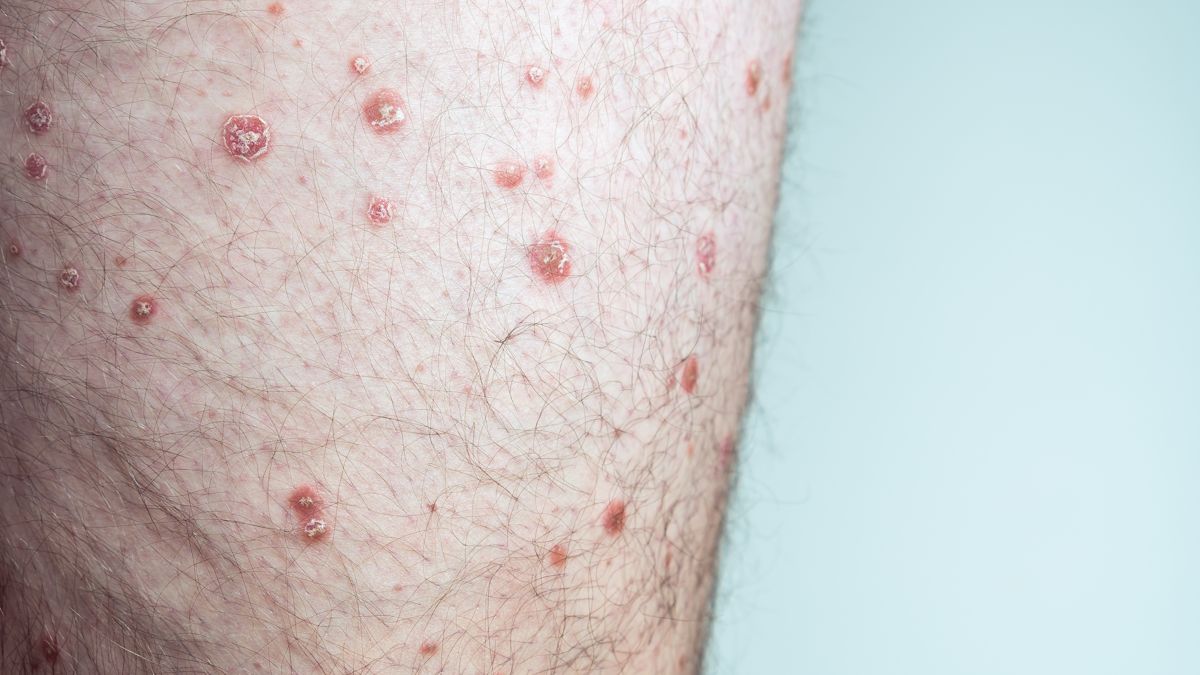
LAD currently has no approved therapies in the European Union. It was the first autoimmune disease selected by JJPBio because the deposits of IgA autoantibodies in the skin are known to activate neutrophils via CD89 leading to tissue damage and widespread skin blistering that can progress to open sores affecting the mucous membranes. These visible manifestations demonstrate nebaprubart’s mechanism of action in IgA-mediated inflammation. By blocking the CD89 receptor present on neutrophils, nebaprubart interrupts this pathway at its source, restoring tissue integrity and preventing blister formation.
Paweł Szczepański, CEO of JJP Biologics, said: “The interim phase 1b results in LAD, together with our previously reported phase I data in healthy volunteers, provide early validation of our approach targeting the IgA/CD89 axis. LAD is our proof-of-mechanism showcase, and these positive interim data demonstrate the potential of nebaprubart to deliver rapid, durable responses while reducing dependence on traditionally administered immunosuppressive agents with known toxicities. This positions nebaprubart as a potentially transformative therapy across a broad range of IgA-mediated diseases, and we look forward to commencing a phase 1b trial of nebaprubart for rheumatoid arthritis in Q3 2026 and a phase 2a basket study in IgA nephropathy in Q4 2026.”
Given its well-defined pathophysiology and clinically overt reflection of a visual response to treatment within days, LAD provides a clear path to clinical validation, enabling expansion into other IgA-driven diseases.
Sohail Ahmed, chief medical officer of JJP Biologics, said: “The consistency between the safety profile observed in healthy volunteers and the early efficacy and tolerability signals seen in LAD patients is very encouraging. Our phase 1b trial showed predictable pharmacology and no dose-limiting toxicities, reducing clinical development risk. In LAD, the tapering or elimination of other treatments that are difficult for some patients to tolerate is highly meaningful for this patient population.”
The interim results in LAD follows the positive top-line phase I trial results of nebaprubart in healthy volunteers announced in January 2026.