


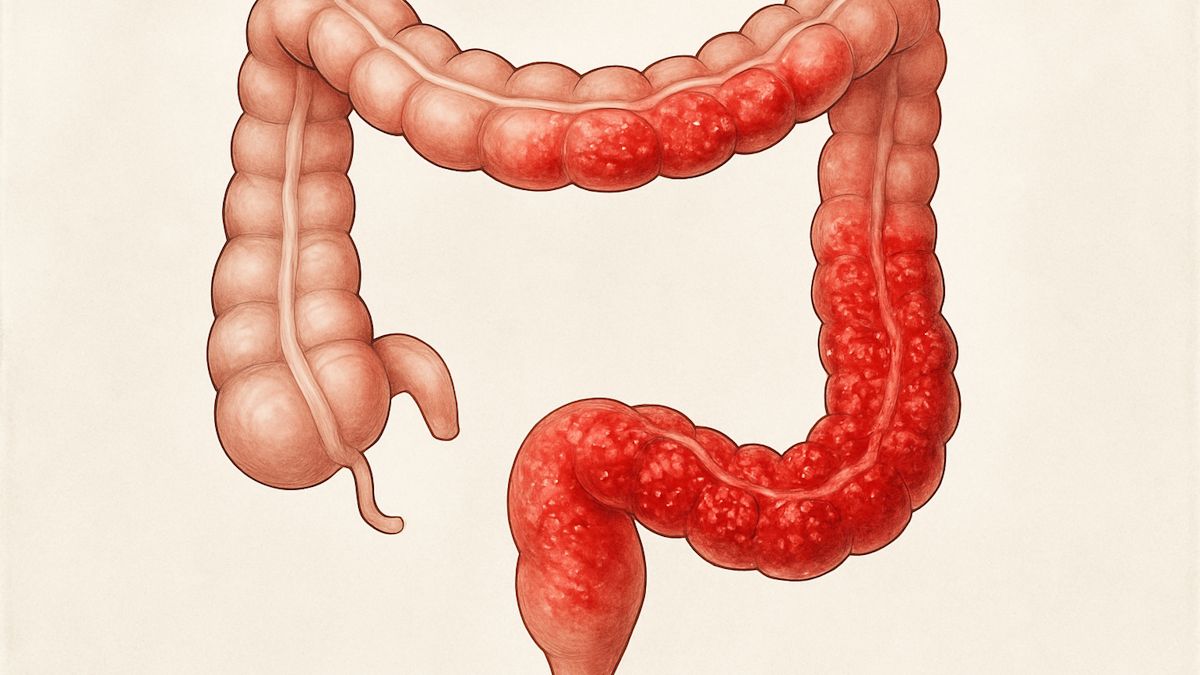
Evogene Ltd., Systasy Bioscience GmbH, and LMU University Hospital Munich, are set to collaborate to accelerate the development of novel therapies for hyper-inflammatory diseases driven by dysregulated neutrophil activity, including inflammatory bowel disease (IBD).
The collaboration brings together Evogene, Systasy, and Christoph Klein (LMU University Hospital in collaboration with the German Center for Child and Adolescent Health), with additional participation from the Weizmann Institute of Science in Rehovot, Israel. The programme is supported by a pan-European EUREKA grant, which was awarded to advance this international drug discovery effort.
Hundreds of millions of people worldwide are affected by inflammatory and immune-mediated diseases in which neutrophils play a key pathogenic role. Despite being first responders in inflammation and key drivers of tissue damage, neutrophils are not directly targeted by existing therapies, creating a significant unmet need for safe, selective, and effective new treatment approaches.
The collaboration builds on Klein’s clinical and scientific studies and insights derived from a rare genetic immunodeficiency. His team identified a novel inborn error of immunity associated with reduced numbers of neutrophil granulocytes, yet without marked functional defects of the immune system. By translating this naturally occurring rare condition into a therapeutic strategy, the collaboration aims to develop targeted therapies that modulate excessive neutrophil driven inflammation while potentially minimising safety risks commonly associated with immune suppression.
The collaboration partners contribute complementary and synergistic expertise and technologies. Evogene will lead the small-molecule drug discovery effort using its ChemPass AI generative engine to design, optimise, and prioritise novel inhibitors. Together with the Weizmann Institute of Science, computational design will be integrated with high-throughput experimental validation. Systasy will use its DNA barcoding technology to expand the PathwayProfiler platform for multiplexed profiling of stem cell-derived neutrophils, generating high-dimensional functional data to validate and refine Evogene’s AI-designed inhibitors. The Department of Pediatrics at LMU’s Dr. von Hauner Children’s Hospital, led by Klein, will apply advanced stem cell biology and precision diagnostics to validate lead compounds in innovative human in vitro neutrophil models, while also supporting biomarker discovery and translational strategies aimed at personalized immunology and future clinical development.
Ofer Haviv, Evogene’s president and CEO, said: “We are excited to join forces with Systasy’s and Prof. Klein’s scientific expertise in launching this international effort, bringing therapeutic solutions to inflammatory conditions affecting many patients. The support of the prestigious EUREKA grant is a strong vote of confidence in this synergistic collaboration, as well as further acknowledgment of the uniqueness of ChemPass AI, Evogene’s AI-driven tech engine for small molecule discovery and optimization. By integrating AI-driven discovery with experimental excellence and clinical insight, we aim to advance innovative therapeutic concepts with clear clinical and commercial potential.”
Sven Wichert, CEO of Systasy Bioscience, said: “This EUREKA-funded collaboration marks a pivotal step for Systasy in extending our PathwayProfiler platform to neutrophil biology. Partnering with Evogene’s AI innovation, LMU’s clinical expertise, and Weizmann’s validation strengths positions us to deliver breakthrough therapies addressing unmet needs in hyper-inflammatory diseases. Our hyper-multiplexed, patient-derived assays will provide the high-quality functional data essential for accelerating discovery and ensuring translational success.”
Klein said: “We care for children with rare diseases every day; occasionally, we discover novel genetic defects and elucidate pathomechanisms. Only rarely, however, is clinical and scientific knowledge translated into the development of novel therapeutic strategies. Thanks to the EUREKA-funded grant, we are now in the privileged position to advance the field substantially.”