


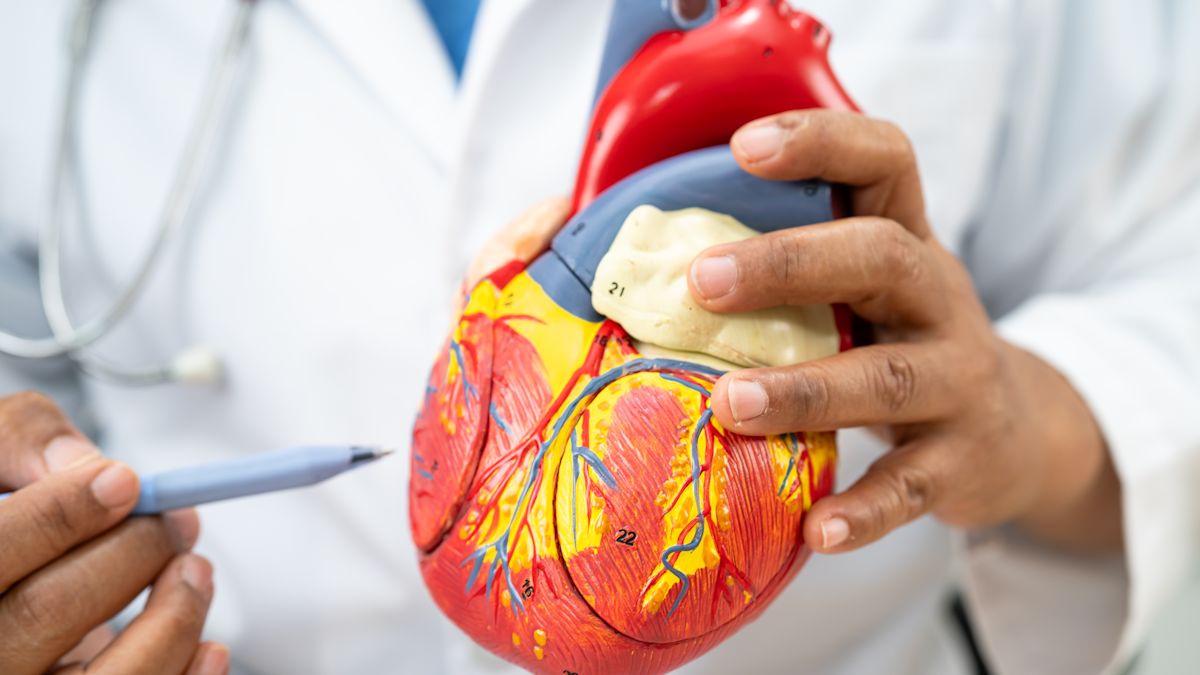
Tissue Dynamics Ltd. and Galmed Pharmaceuticals Ltd. have announced a collaboration to develop a novel human chronic cardiac fibrosis model designed to accelerate the discovery and development of new Aramchol-based therapeutic approaches for complex fibrotic heart diseases.
Cardiac fibrosis is a major driver of chronic heart failure, including long-term remodelling after myocardial infarction (MI) and heart failure with preserved ejection fraction, or HFpEF. Cardiovascular disease remains the leading cause of death globally, responsible for an estimated 20.5m deaths in 2025. Despite this burden, there are no approved therapies that directly and durably reverse cardiac fibrosis.
The disease is increasingly understood as a failure of tissue repair rooted in metabolic dysfunction: disturbed lipid uptake, oxidation, storage, and signalling can drive lipotoxicity, mitochondrial dysfunction, inflammation, fibroblast activation, and impaired regenerative remodelling. SCD1, a key enzyme controlling monounsaturated fatty-acid synthesis and membrane-lipid composition, sits at the centre of this biology. Studies have shown SCD1 upregulation in experimental heart failure and linked cardiac SCD activity to lipid overload, collagen gene expression, hypertrophy, and cardiac dysfunction, while SCD also influences angiogenesis and energy metabolism in the hypoxic myocardium after myocardial infarction.
A central obstacle in cardiac fibrosis has been the lack of models capable of reproducing chronic, multicellular, mechanically active, metabolically dynamic human disease. Animal models and short-term in vitro assays often fail to capture the long-term transition from injury response to persistent fibrosis, particularly in diseases such as MI and HFpEF where human metabolism, vascular function, inflammation, and tissue mechanics interact over time.
Regulators are now encouraging more human-relevant approaches. The U.S. Food and Drug Administration (FDA) has described a ‘transformative shift’ toward advanced human-relevant methods, including AI-powered models and human organ-on-chip systems, and has stated that new approach methodologies (NAMs) can improve predictivity, identify mechanisms of action, and support safer clinical development. The FDA has also announced plans to promote human organoids and organ-on-chip systems that mimic human organs, including heart models, while the EMA supports regulatory acceptance of scientifically sound NAMs and provides interaction routes for developers through its Innovation Task Force.
Tissue Dynamics and Galmed are collaborating on the development of the new platform as a high-throughput, human-centred model of chronic cardiac fibrosis, with an initial focus on the long-term effects of myocardial infarction and the fibrotic-metabolic remodelling associated with HFpEF. The platform will combine Tissue Dynamics’ vascularised, multichambered cardiac organoids with embedded metabolic sensors, massive automation, and continuous real-time monitoring. Tissue Dynamics’ DynamiX platform is designed to test more than 20,000 human organoids in parallel, capturing real-time functional kinetics through embedded metabolic sensors and generating longitudinal human-relevant data across metabolism, fibrosis, electrical conduction, inflammatory signalling, lipid handling, and stress pathways.
The collaboration comes at a pivotal moment for Aramchol’s drug development. In the new cardiac fibrosis programme, the companies intend to apply Galmed’s work in SCD1 biology and metabolic-pathway modulation to human cardiac disease settings where lipid imbalance may impair vascular repair, cardiomyocyte function, fibroblast behaviour, and extracellular-matrix remodelling. By monitoring thousands of organoids over time and applying AI-driven analysis to functional, metabolic, structural, and molecular endpoints, the model is expected to support rapid evaluation of Aramchol-based candidates, combinations, dosing strategies, and disease-stage-specific interventions.
Galmed aims to use this platform to develop and investigate new Aramchol-based therapies for chronic cardiac fibrotic disease.
“We believe that combining Tissue Dynamics’ human cardiac organoid technology, embedded sensors, automation, and AI with Galmed’s expertise in modulating fibrotic pathways gives us a unique opportunity to change how cardiac fibrosis therapies are developed,” said Avner Ehrlich, CEO of Tissue Dynamics.
“The ability to model chronic human fibrosis in real time and at scale could allow us to investigate interventions that do more than delay disease progression. If we can identify approaches that improve tissue repair and help resolve fibrosis by correcting the underlying metabolic dysfunction, this has the potential to be a game changer for patients and for drug development in this field.”
Yaakov Nahmias, founder and CSO of Tissue Dynamics, said: “This model is one of a kind. By combining vascularized, multichambered human cardiac organoids with continuous metabolic sensing and AI, we can investigate human fibrotic processes with unprecedented precision. This is especially important for metabolic processes such as lipid remodelling and SCD1 activity, where human relevance, timing, and tissue context are essential to understanding disease and therapeutic response.”