


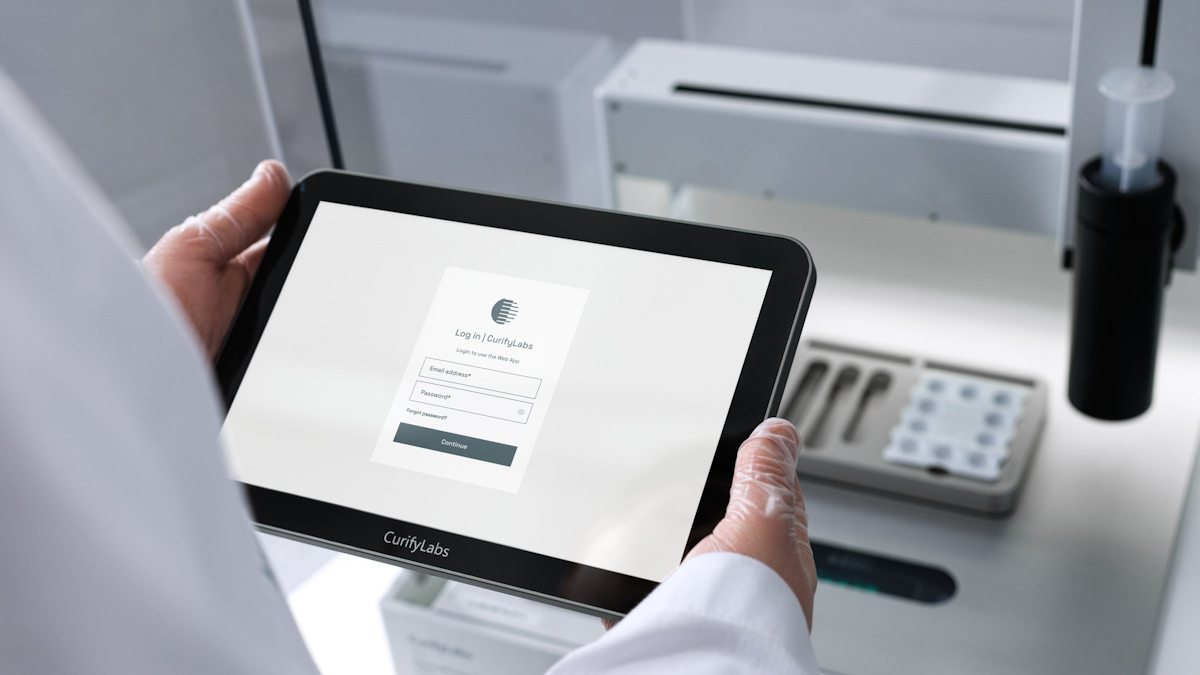
Many medicines today are produced in standard doses, even though patients often have very different treatment needs. In her doctoral thesis in drug development at Åbo Akademi University, Mahsa Bahman investigated a technology that could make it easier to produce medicines tailored to individual patients, helping improve dose accuracy and access to treatment.
Personalised medicines are particularly important for children, older patients and others who require doses that are not commercially available. Today, healthcare professionals and caregivers may need to split tablets or adapt existing medicines, which can make accurate dosing difficult.
In her research, Bahman studied a technology that uses a 3D printing-inspired manufacturing process to produce medicines in individually tailored doses. The system works by dispensing carefully measured amounts of a gel-like formulation, allowing pharmacists to create patient-specific treatments while maintaining consistent quality.
“Children often need medicine strengths that do not exist as commercial products. With this technology, pharmacists can manufacture dosage forms containing exactly the dose an individual child requires,” Bahman said.
The research examined how the technology can be used to manufacture a range of personalised medicines and evaluated factors such as dose accuracy, product quality, stability and consistency. The work also investigated how the technology performs in a hospital pharmacy environment.
The technology may also benefit older patients whose medication needs change over time, patients with rare diseases requiring specialised doses, hospital patients who need frequent dose adjustments, and situations where medicine shortages affect the availability of commercial products.
The thesis was carried out entirely within industry. Bahman conducted her doctoral research as an industrial doctoral researcher at CurifyLabs, a Finnish health technology company and spin-off from Åbo Akademi University. The work illustrates how academic research and industry collaboration can help translate scientific advances into practical healthcare solutions.