


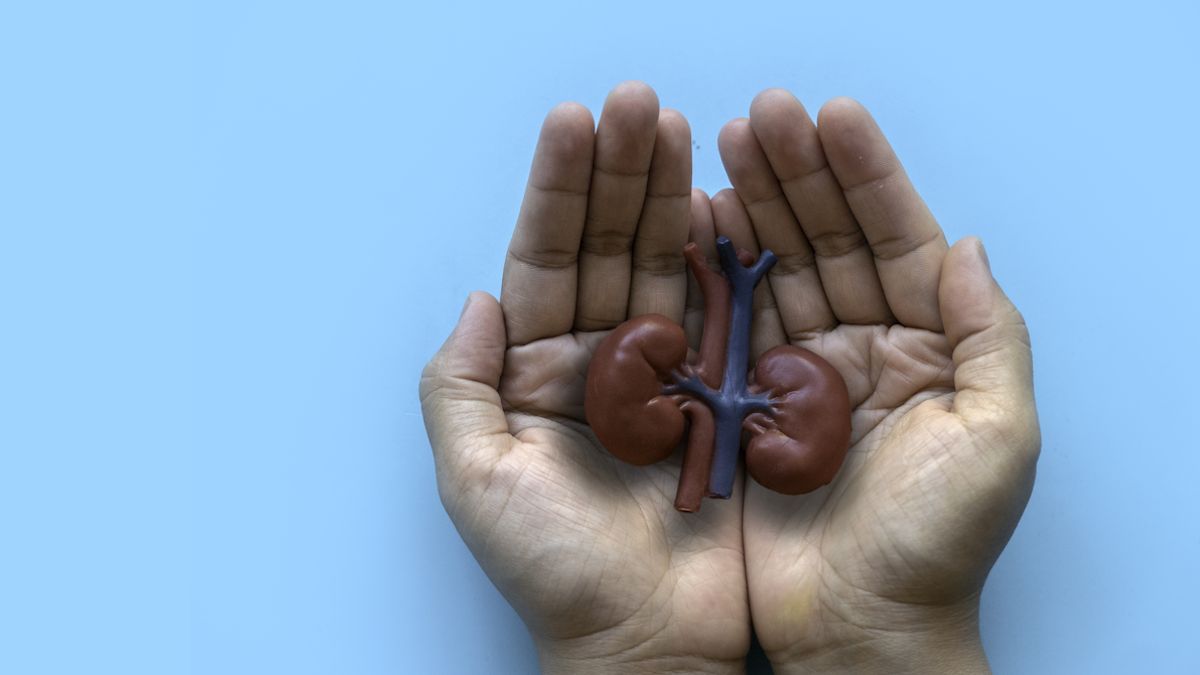
New analysis in Frontiers in Medicine highlights numares Health’s urinary metabolite constellation as the first biomarker test to show reliable diagnostic accuracy for detecting acute kidney transplant rejection during the critical first 14 days after transplantation in recipients of living donor kidneys.
The study, “Diagnosis of Early Kidney Allograft Rejection: Influencing Factors in Metabolite‑Based Urine Analysis,” shows that while many biomarker platforms struggle in the immediate post‑transplant phase, the metabolite constellation developed and validated by numares performs with full diagnostic strength from day 1 in living-donor recipients.
Acute rejection remains a major challenge in kidney transplantation, often requiring invasive biopsies for diagnosis. Traditional methods, such as serum creatinine monitoring, lack sensitivity and specificity, leading to missed cases or unnecessary procedures.
The study, led by researchers at University Hospital Regensburg and numares, identified factors that influence the accuracy of numares’ non-invasive urine test for early detection of acute kidney allograft rejection – especially in the immediate phase after transplantation.
Miriam Banas, from the Department of Nephrology at University Hospital Regensburg, said: “Unlike other biomarker approaches, which cannot be applied reliably in the first days after transplantation, this metabolite constellation retains its diagnostic strength in living‑donor recipients. This is a meaningful step toward continuous, non‑invasive monitoring from day one.”
Florian Voss, CEO of numares Health, said: “At numares, we use nuclear magnetic resonance (NMR) spectroscopy to quantify multiple biomarkers from a single serum sample. The paper’s findings are both a validation of our technology and a source of new hope for improving patient outcomes through personalized post-transplant monitoring.”
numares Health’s urinary assay leverages NMR metabolomics to support clinical decision making in the context of kidney transplant rejection. The non-test analyses and evaluates a metabolite biomarker constellation previously identified and validated and is suitable for outpatient monitoring to improve patient compliance, decreasing the need for a biopsy.
The UMBRELLA study, conducted at the Department of Nephrology, University Hospital Regensburg, Germany, analysed 682 urine samples from 109 kidney transplant recipients within the first 14 days post-transplant, using metabolomic profiling alongside 29 clinical and transplant-related parameters. Ten significant confounding factors were identified, including donor type, ischemia times, deceased donor status, recipient age, residual urine volume, eGFR, induction therapy, and HLA mismatches.