


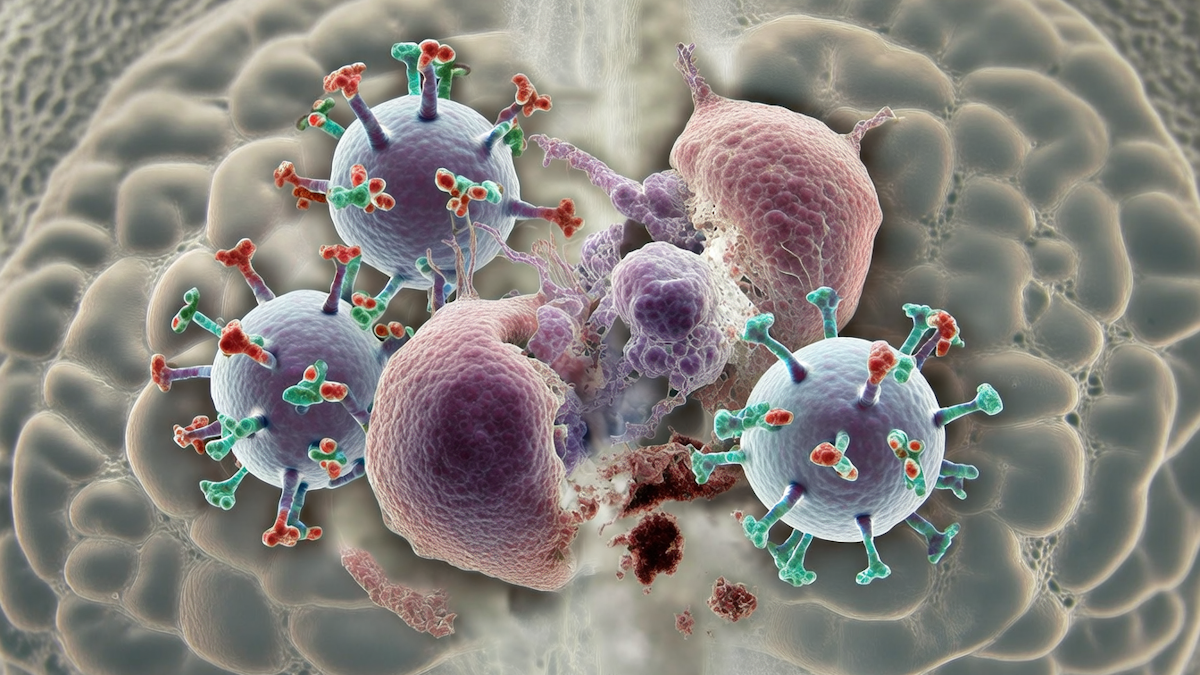
T-MAXIMUM Pharmaceutical’s proprietary allogeneic B7-H3-targeted CAR-T therapy, MT027, has received IND Clearance from the U.S. Food and Drug Administration (FDA) to initiate a phase II clinical trial for the treatment of recurrent glioblastoma (rGBM).
“The FDA’s clearance of the IND for MT027 represents a strong validation of our strategic commitment to tackling the most challenging solid tumours,” said Xiaoyun Shang, founder and CEO of T-MAXIMUM Pharmaceutical.
“This milestone is not only a small step for T-MAXIMUM, but a significant leap forward for the entire cell therapy field as we push into the ‘uncharted territory’ of solid tumour treatment. The successful development and advancement of MT027 is grounded in our deep understanding of immunology and our decisive investment in allogeneic cell-editing technologies.
“As a technology-driven company, T-MAXIMUM Pharmaceutical will continue to uphold a rigorous and pragmatic scientific approach, steadily advancing the clinical development of MT027. We remain committed to breaking new ground in the unexplored landscape of solid tumour cell therapy and using the power of science to win more time for patients.”
MT027 is an “off-the-shelf” allogeneic CAR-T product sourced from healthy donors designed to target B7-H3 for the treatment of recurrent glioblastoma. As an allogeneic therapy, MT027 enables large-scale manufacturing and cryopreservation, allowing patients to receive treatment rapidly without the delays associated with autologous cell production—an advantage that can be critical for individuals facing fast-progressing and life-threatening diseases.
Unlike many industry peers relying on lentiviral or retroviral vectors, T-MAXIMUM Pharmaceutical has achieved a major advancement during the product’s transition to registration-oriented clinical development—establishing a fully non-viral gene-editing platform. This innovation enhances product safety while improving manufacturing precision and controllability, representing the next generation of cell therapy engineering.
CAR-T therapies have revolutionised treatment for hematologic malignancies; however, progress in solid tumours has been notably slower—particularly in glioblastoma, where the blood-brain barrier, intratumoral heterogeneity, and immunosuppressive microenvironment pose unique challenges. FDA IND clearance enabling MT027 to enter phase II clinical evaluation represents a milestone step in advancing allogeneic CAR-T technology toward one of the most difficult solid tumour indications.
Leveraging its mature allogeneic technology platform, T-MAXIMUM Pharmaceutical is concurrently developing additional clinical programmes targeting brain metastases and other solid tumours to further expand its therapeutic pipeline.