


Bacteria have many strategies for defending themselves against antibiotics. Some destroy the drug, others pump it out or alter its target. They can also prevent it from getting in.
A team at the University of Geneva (UNIGE) has discovered how Pseudomonas aeruginosa, a bacterium responsible for infections that are often difficult to treat, very rapidly restricts the entry of imipenem, an antibiotic reserved for the most critical cases. Published in the journal Proceedings of the National Academy of Sciences (PNAS), the findings reveal a mechanism of antibiotic resistance and open up new avenues for eventually counteracting it.
To eliminate a bacterium, an antibiotic must first cross the protective envelope surrounding it. To enter bacterial cells, several antibiotics use specific channels known as porins. This is the case with imipenem, an antibiotic used to treat infections caused by P. aeruginosa. Imipenem enters this bacterium through a porin called OprD.
However, this entry route can gradually become restricted. When attacked by immune cells, P. aeruginosa is exposed to high concentrations of copper and zinc. In response, the bacterium gradually reduces its production of OprD porins. As a result, when imipenem is administered, it has increasing difficulty penetrating the cell and therefore becomes less effective. Antibiotic resistance then develops.
Against this background, the team led by Karl Perron, senior lecturer in the sections of biology and pharmaceutical sciences at the UNIGE Faculty of Science, turned its attention to a small protein, PtrA, located in the space between the two membranes of the bacterium, the periplasm. This protein, like others, is produced when P. aeruginosa is in the presence of metals.
Combining genetic and biochemical experiments, the team discovered that the presence of PtrA is enough to make the bacterium more resistant to imipenem, even before the entry points – the OprD porins – gradually disappear.
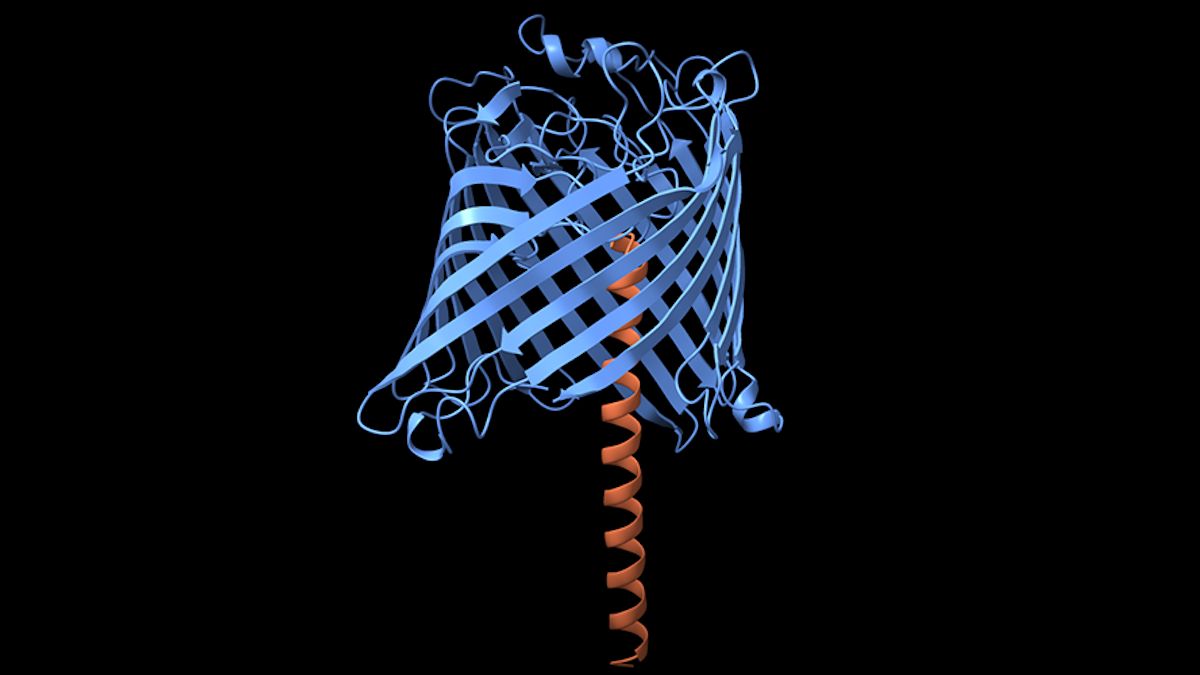
“We show that PtrA inserts itself into the same protein complexes as OprD, where it blocks the entrance of the channel to the antibiotic. We have named this phenomenon ‘adaptive impermeability’,” said Verena Ducret, laboratory technician at the UNIGE Faculty of Science and first author of the study.
“Our results therefore show that there are two successive levels of control within Pseudomonas aeruginosa, both triggered by copper and zinc. First an immediate response, provided by PtrA, which blocks the entrance of the OprD porins already in place, then a more lasting response, which reduces the production of OprD,” Perron said.
“By showing that an existing OprD porin can be neutralised without being eliminated, our work suggests that part of the resistance escapes methods that measure the amount of porins or look for mutations.”
The study also raises the question of whether other pathogenic bacteria possess proteins in their envelope capable of the same immediate defence mechanism, and whether these strategies could one day be disabled to restore the full efficacy of these precious last-resort antibiotics.