


Johnson & Johnson has announced positive results from a phase 3 study investigating ICOTYDE (icotrokinra) in biologic-naïve adults with active psoriatic arthritis (PsA).
ICOTYDE is the first and only targeted oral peptide that precisely blocks the IL-23 receptor. ICOTYDE met the primary endpoint, with 58% of patients achieving an American College of Rheumatology 20 (ACR20) response compared with 41% receiving placebo at Week 16. Safety findings were consistent with the established safety profile of ICOTYDE, with no new safety signals identified. These results are being presented as a late-breaking poster at the American College of Rheumatology (ACR) Convergence 2026.
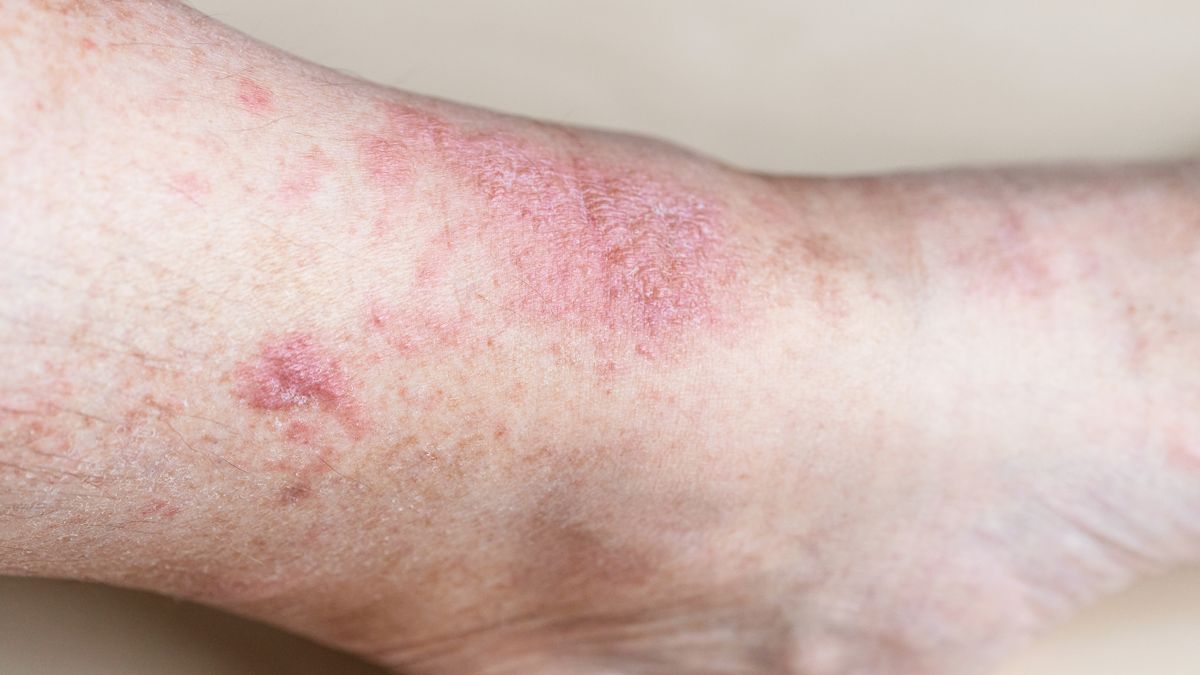
Psoriatic arthritis is a chronic, immune-mediated inflammatory disease that can affect both the joints and skin. Nearly 30% of people with plaque psoriasis also develop psoriatic arthritis. It can cause pain, stiffness and swelling in and around the joints, along with the skin lesions associated with plaque psoriasis. Because inflammation can lead to progressive disease, there remains a need for treatment approaches that address the multiple ways psoriatic arthritis can affect patients. In clinical studies, ACR response is a composite measure whereby ACR20 represents ≥20% improvement in tender joint count, swollen joint count and other measures of disease activity. ACR50 and ACR70 use the same framework but represent ≥50% and ≥70% improvement, respectively.
“The significant joint responses observed in this study show the exciting potential for ICOTYDE, a targeted oral peptide therapy, to open an entirely new chapter in treating psoriatic arthritis with an oral option,” said Joseph F. Merola, rheumatologist, dermatologist, and president of the Psoriasis and Psoriatic Arthritis Multicenter Advancement Network, co-president of the Group for Research in Psoriasis and Psoriatic Arthritis and president of the Rheumatologic Dermatology Society.
“Effective management of psoriatic arthritis requires addressing both joint and skin disease, and patients continue to need treatment options that can provide meaningful improvement across both.”
The phase 3 ICONIC-PsA 1 study met its primary endpoint, with a significantly higher proportion of patients receiving ICOTYDE 200 mg achieving an American College of Rheumatology 20 (ACR20) response compared with placebo (58% vs. 41%) at Week 16. Numerically higher proportions of patients receiving ICOTYDE also achieved ACR50 (29% vs. 16%) and ACR70 (13% vs. 5%). Among patients with qualifying skin involvement, 57% receiving ICOTYDE achieved clear or almost clear skin (Investigator’s Global Assessment [IGA] 0/1), compared with 14% receiving placebo, while 37% achieved a Psoriasis Area and Severity Index (PASI) score of 90 compared with 6% receiving placebo.
Response rates with ICOTYDE 200 mg continued to increase numerically through Week 24, with 69% of patients achieving ACR20, 40% achieving ACR50, and 18% achieving ACR70. Among patients with qualifying baseline skin involvement (BSA), 64% achieved clear or almost clear skin (IGA 0/1) and 56% achieved PASI 90. Safety data through Week 24 were consistent with the established safety profile of ICOTYDE, with no new safety signals identified.
“Many people living with psoriatic arthritis are still searching for treatments that can effectively address the full burden of their disease,” said David M. Lee, global immunology therapeutic area head at Johnson & Johnson.
“These new findings underscore the potential of ICOTYDE to meaningfully improve outcomes in psoriatic arthritis and add to the growing body of evidence across psoriatic disease.”