


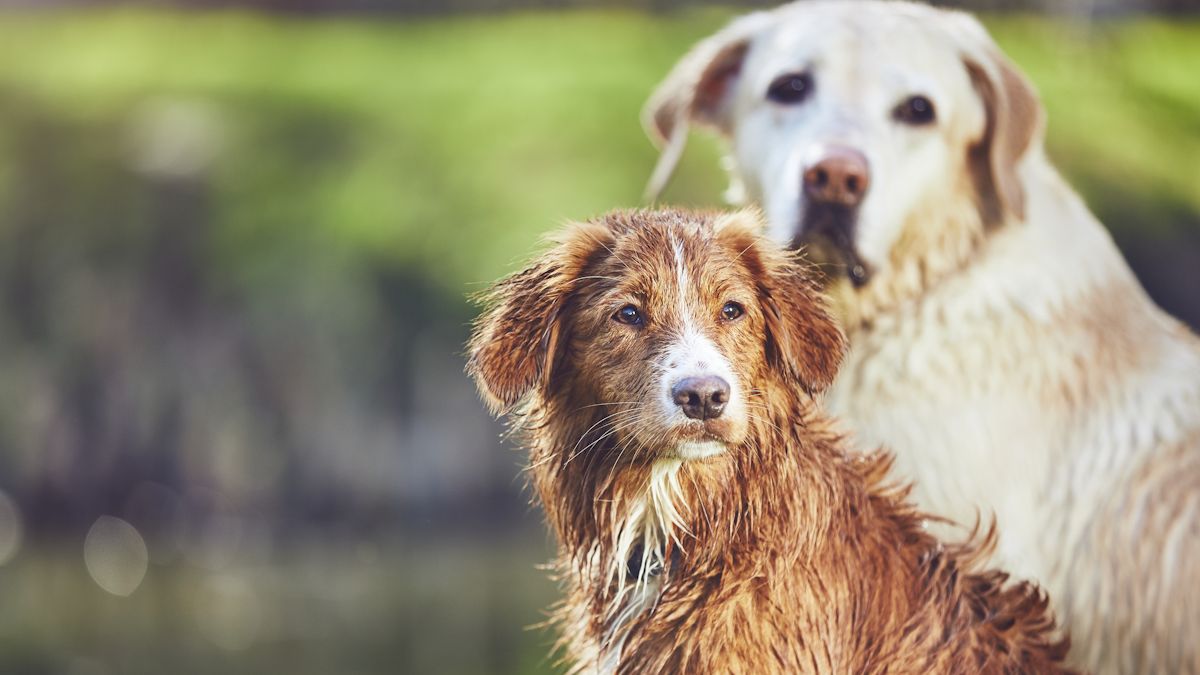
Familiar Therapeutics has launched with $5m in seed funding to bring the advances of modern human medicine to dogs and cats.
Over the past two decades, a new generation of medicines has changed the outlook for people with chronic and life-threatening diseases. Dogs and cats develop many of the same diseases as people, often driven by the same underlying biology, yet very little of that medical progress has reached them.
Fewer than 10 new drugs are approved by the FDA each year for companion animals, compared with more than 50 for people. For many serious conditions, veterinarians still rely on human medicines used off-label, without dosing or safety data for the species. Much of the science needed to change this exists, but adapting a drug for animals takes its own clinical studies, manufacturing work and FDA review. Without a dedicated path for that work, promising medicines rarely make it across to dogs and cats.
Familiar was built to close that gap. Because each programme starts with years of human research behind it, Familiar aims to bring disease-modifying medicines to pets significantly faster than the seven to 10 years a new animal drug typically takes. The company works with pharmaceutical and biotech partners on each program, licensing the veterinary rights to their drugs and leading the clinical development and manufacturing work needed for FDA approval in dogs and cats.
In the five months since its founding, Familiar built a pipeline of four lead programmes and nine earlier-stage programs for dogs and cats, signed multiple partnership and licensing agreements with biopharmaceutical companies, opened two investigational new animal drug (INAD) files with the FDA Center for Veterinary Medicine and filed one provisional patent. The seed funding will move its lead programmes into clinical studies and advance the rest of its pipeline.
Familiar was founded by Elizabeth Iorns and Dan Knox.
“Our goal is to give vets proven, FDA-approved treatments that change the course of serious diseases in dogs and cats, where today they often have very few options,” said Iorns, co-founder and CEO of Familiar.
“The science is often already there, and when you begin with a drug that already has years of human research behind it, the veterinary work can move much faster. Familiar is built to do that work all the way through to approval and commercialization, so those medicines can actually reach pets.”
Familiar’s most advanced programme, FAM-010, targets hemangiosarcoma, one of the most aggressive cancers in dogs and a disease with no FDA-approved treatment. With surgery alone, median survival is under two months. Familiar is working toward making FAM-010 the first FDA-approved treatment for hemangiosarcoma in dogs, starting this autumn with a pilot study at the University of Illinois College of Veterinary Medicine, led by Timothy M. Fan.
Familiar’s other lead programmes target intervertebral disc disease, a common cause of back pain and paralysis in dogs; breathing disorders in flat-faced breeds such as French bulldogs and pugs; and immune-mediated diseases. Every programme is designed for full FDA approval. Where a programme qualifies, Familiar may also seek conditional approval, which lets veterinarians use a drug for a serious unmet need while the final effectiveness studies are completed.
“The science flows both ways,” said Dan Knox, co-founder and COO of Familiar.
“When we develop a drug for dogs and cats with naturally occurring disease, the evidence we generate can also inform and de-risk our biopharma partners’ human programmes. Those partners keep their human rights and share in veterinary sales, so they earn a faster return on research they’ve already paid for. That’s a big part of why we’ve been able to sign partners so quickly.”
Familiar’s team includes senior animal-health drug developers who have contributed to more than 30 FDA approvals across decades of combined experience at companies including Zoetis, Elanco, and Bayer Animal Health. Familiar also has a 12-member scientific advisory board which brings together veterinary specialists, practicing veterinarians and animal-health researchers.
The funding was led by Pioneer Fund, Icehouse Ventures and BreakTHRU, a syndicate of animal-health industry leaders and veterinarians, with participation from angel investors.