


Basque biopharmaceutical company Oncomatryx has taken part, together with German research institutions, in a study showing in patient tumour tissue that destroying the cells that protect the tumour also kills cancer cells.
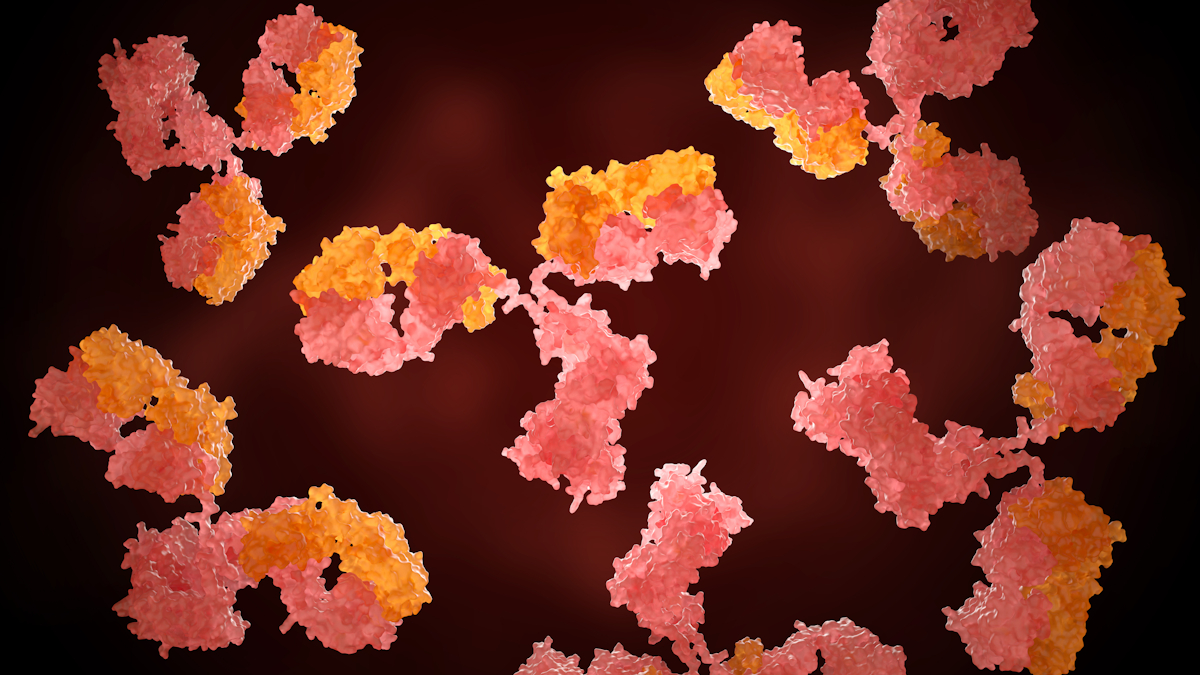
This was achieved by OMTX305, a bispecific antibody designed by the company that directs the patient’s own T cells against the fibroblasts surrounding the tumour. The work was published in Science Advances.
The study was conducted on slices of freshly resected tumours from 15 patients with lung and ovarian cancer, cultured with the patients’ own immune cells. These tissue slices preserve the structure and cell types of the original tumour.
The results show that the antibody activated T cells, particularly those already inside the tumour, and directed them against cancer-associated fibroblasts, as well as destroying fibroblasts: the area they occupied fell from 38% to 24% in three days. The results also show an increase in the death of nearby tumour cells in some of the samples. Dying cancer cells were significantly closer to the targeted fibroblasts than those that remained alive. The study also showed the T cells did not bind to healthy human tissues in the analyses performed.
Responses varied between patients. The authors said clinical trials will need to determine which patient profiles respond most strongly, and point to the tumour’s immune profile and, in lung cancer, PD-L1 expression as potential indicators.
“We have seen in real patient tissue, with its own architecture and immune defences, that attacking the fibroblasts that protect the tumour also kills the cancer cells around them. These are preclinical results that will need to be confirmed in patients, but they reinforce that the microenvironment is a real route to treating cancer,” said Myriam Fabre, chief scientific officer of Oncomatryx.
“More than 15 years ago we bet on attacking cancer through what surrounds it, when almost the entire industry was looking only at the tumour cell. This study shows once again that this path makes sense, and it is the same logic behind the drugs we develop, starting with OMTX705, which is already in clinical trials,” said Laureano Simón, founder and CEO of Oncomatryx.
Simón, Fabre and Isabel Egaña took part in the study on behalf of Oncomatryx. The study was led by Meng Dong of the Dr. Margarete Fischer-Bosch Institute of Clinical Pharmacology (Bosch Health Campus) and the University of Tübingen, with Julia Thiel as first author. The University of Stuttgart and Robert Bosch Hospital also collaborated, among other institutions.