


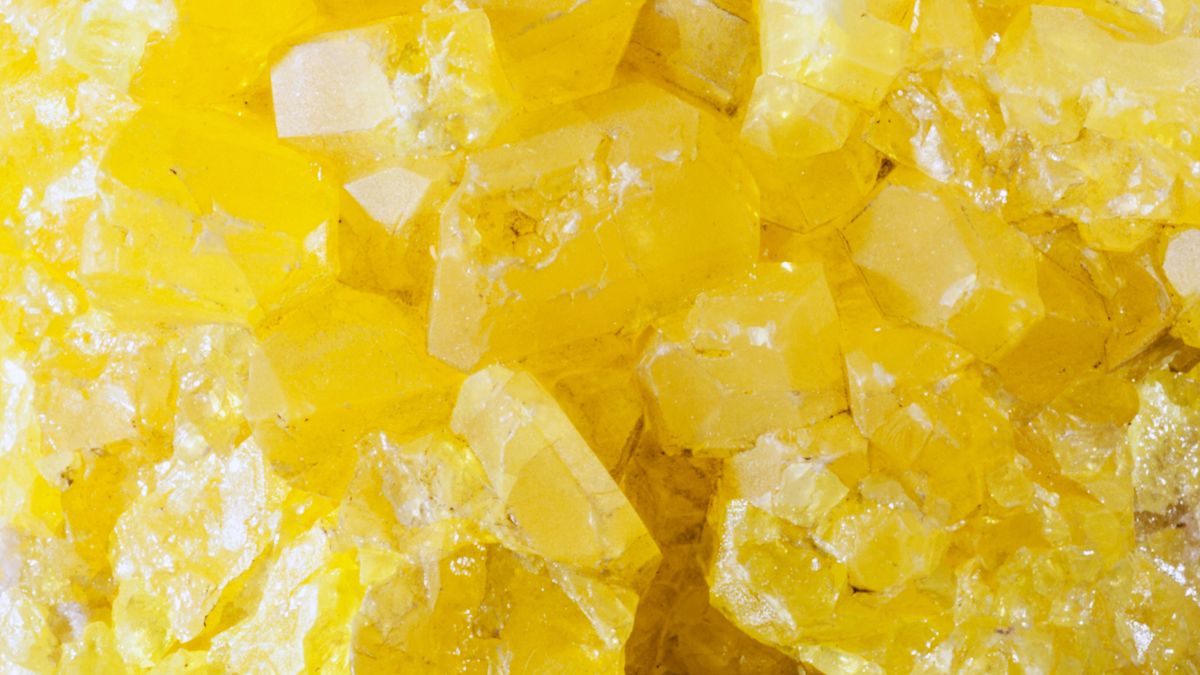
Elemental sulphur is well known in microorganisms, plants, and fungi, but whether mammals produce and use elemental sulphur has remained unclear.
A collaborative research team has now discovered that mammalian cells and tissues produce and store cyclo-octasulphur, S₈, which is a stable form of elemental sulphur composed of eight sulphur atoms arranged in a ring. The team included researchers from Tohoku University, Max Planck Institute for Polymer Research, Akita University, Institute of Science Tokyo, Shimadzu Corporation, and other collaborating institutions. Their findings were published in the journal Science.
To detect the molecule, the researchers used two complementary methods: mass spectrometry with a polyaromatic capsule that captures and stabilises S₈, and Raman microscopy to directly visualise S₈ inside cells and tissues. These approaches revealed that S₈ is present in mammalian mitochondria and lipid droplets, with particularly high accumulation in lipid droplets.
The study also found striking S₈ accumulation in human breast cancer tissues. S₈ levels were much higher in cancerous breast tissues than in non-cancerous breast tissues from the same patients, in some cases exceeding 100 mM. Raman microscopy confirmed S₈ signals in lipid droplets isolated from breast tumour tissues. In addition, analysis of exhaled breath condensate from breast cancer patients showed increased levels of supersulphide metabolites compared with healthy controls. These findings suggest that sulphur metabolism may be changed in the breast cancer microenvironment and that such changes may be detectable through non-invasive breath analysis.
The researchers also found that nitric oxide synthases (NOS), including endothelial NOS, contribute to S₈ production in lipid droplets. Rather than focusing only on nitric oxide (NO) production, this study reveals an additional role for these enzymes in elemental sulphur metabolism.
S₈ appears to protect cells from lipid damage. When endogenous S₈ was depleted, lipid peroxidation and ferroptosis, a form of cell death driven by oxidized lipids, increased. Conversely, supplying S₈ protected adipocytes and endothelial cells from ferroptosis. The team found that S₈ reacts with glutathione (GSH), a common antioxidant molecule in cells, to generate antioxidant supersulphides that suppress lipid peroxidation.
The team further tested S₈ in a mouse model of osteoarthritis. Local administration of solubilised S₈ into the knee joint reduced levels of 4-hydroxynonenal (4-HNE), a marker of lipid peroxidation, suggesting that S₈ may protect joint tissues from oxidative injury.
These findings reveal a previously unknown mammalian elemental sulphur system. Understanding how S₈ is produced, stored, and used may lead to new strategies for diagnosing, preventing, or treating diseases linked to lipid peroxidation and ferroptosis, including breast cancer, osteoarthritis, inflammatory diseases, metabolic disorders, and aging-related conditions.